When it comes to upholstery fabric, understanding the different types can make a huge difference in maintaining their appearance and durability. Various fabrics are used for upholstery, each with its own set of characteristics, benefits, and challenges. Common upholstery materials include cotton, polyester, leather, and velvet, among others. Knowing the specifics of each type can help you decide whether or not they can withstand the rigors of dry cleaning.
Cotton is a popular choice for upholstery because it is soft, breathable, and relatively easy to clean. However, it can shrink and fade if not treated properly. On the other hand, synthetic fabrics like polyester tend to be more durable and resistant to stains, making them a preferred option for high-traffic areas. Understanding these differences is crucial when considering whether "can upholstery fabric be dry cleaned" or if you should opt for another cleaning method.
Meanwhile, natural fibers such as linen and wool also offer unique benefits, but they often require more care. For instance, wool is both resilient and comfortable, but it can be sensitive to heat and moisture. As a result, many upholstery experts recommend specific cleaning techniques for these fabrics. Knowing the right approach can prevent damage and prolong the life of your furnishings.
Leather is another commonly used upholstery material, admired for its elegance and durability. While leather can sometimes withstand dry cleaning, it usually requires specially formulated products to avoid degrading the material. Always consult your furniture manufacturer’s recommendations, as they can often guide you on whether "can upholstery fabric be dry cleaned" is an option for your specific piece.
Dry Cleaning vs Spot Cleaning
When considering how to care for your upholstered furniture, it's essential to weigh the benefits of dry cleaning versus spot cleaning. While both methods aim to keep your upholstery looking fresh, they serve different purposes and can yield different results. Understanding the differences can help you make an informed decision on how best to preserve your investment.
Dry cleaning is often recommended for large, heavily stained areas or when the upholstery has accumulated dirt over time. This method involves using chemical solvents rather than water, which can be a safer choice for delicate fabrics. Many people wonder, "can upholstery fabric be dry cleaned?" The answer is generally yes, but it's crucial to check the manufacturer’s care label. Some materials might not hold up well to dry cleaning solutions and could end up damaged.
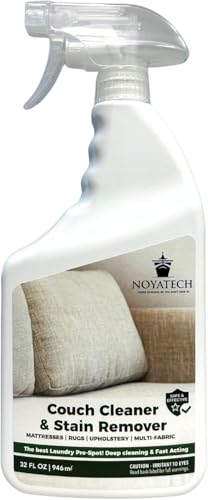
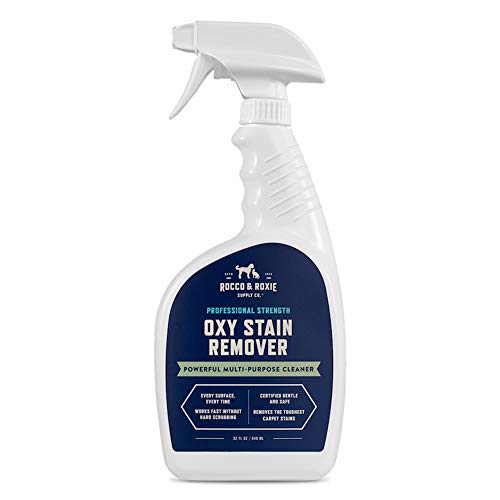
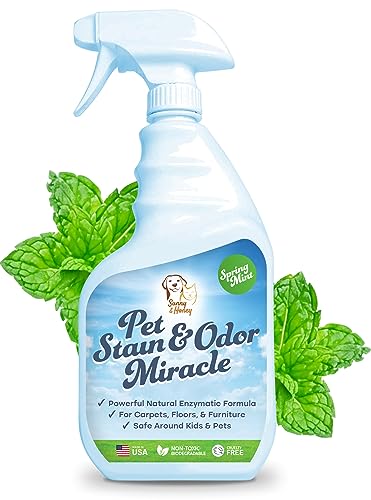
On the other hand, spot cleaning is a targeted method used to treat specific stains and spills. This approach involves using a mild detergent or specialty spot cleaner to lift the stain directly from the fabric. It's convenient for everyday mishaps, like food spills or pet accidents, and can often be done at home without the need for professional help. However, spot cleaning may not provide the deep clean that upholstery needs every so often.
Ultimately, whether you choose dry cleaning or spot cleaning depends on the situation at hand. For regular maintenance, spot cleaning can be very effective, but for deeper cleansing, understanding if can upholstery fabric be dry cleaned may keep your furniture looking its best for years to come. Each option has its advantages, and knowing when to use them can help you maintain the beauty and longevity of your upholstery.
Checking for Safe Cleaning Labels
When it comes to maintaining your furniture, one of the questions many people ask is, can upholstery fabric be dry cleaned? Before making any decisions, it's crucial to check for safe cleaning labels on your upholstery. These labels provide important information about the best cleaning methods for your specific fabric.
Most upholstery fabrics will have a tag that includes a cleaning code, such as "W," "S," "WS," or "X." Each code signifies the appropriate cleaning method. For instance, fabrics labeled with "W" can be cleaned with water, whereas "S" indicates that solvent-based cleaners should be used. If your fabric has a "WS" label, you can use both water and solvent cleaning methods safely. Meanwhile, "X" suggests that professional cleaning is required, as home cleaning methods might damage the upholstery.
If you're unsure about the meaning of the cleaning code, it’s always best to consult the manufacturer's guidelines. Sometimes, different styles or dyes used in fabric can react unpredictably to cleaning methods. Thus, understanding the specific needs of your upholstery fabric can help you determine whether you can safely proceed with dry cleaning.
In cases where the label is missing, or you still have doubts, considering a small test on an inconspicuous area can be a good idea. This test will help you see how the fabric reacts to the cleaning method you’re planning to use. By taking these precautions and being aware of your fabric's unique requirements, you can confidently answer the question, can upholstery fabric be dry cleaned safely?
Tips for Proper Fabric Care
Taking care of your upholstery fabric is crucial to ensure its longevity and appearance. One of the most common questions homeowners ask is, "can upholstery fabric be dry cleaned safely?" While some fabrics can indeed be dry cleaned, others may not respond well to this method. Here are some tips to help you maintain your upholstery and keep it looking its best.
First and foremost, always check the care label on your upholstery. This label will provide important information on how to clean the fabric safely. If it indicates that the fabric is dry clean only, then it’s best to follow that instruction. For fabrics that can be spot cleaned, use a mild detergent and test it on an inconspicuous area first to ensure it doesn’t damage the material.
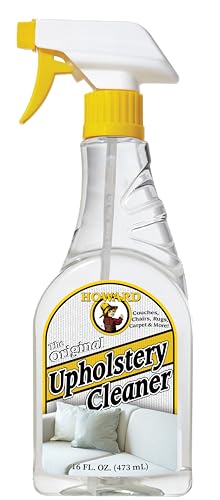
Regular maintenance is also essential. Vacuum your upholstery weekly to remove dust and dirt that can cause wear and tear. If you notice any stains, treat them immediately, as waiting can make it harder to remove the blemish. For general cleaning, consider using a fabric upholstery cleaner designed for your specific type of fabric.
Lastly, consider professional cleaning services for deeper cleaning, especially if you're unsure whether "can upholstery fabric be dry cleaned" is safe for your particular upholstery. A professional can evaluate the fabric and provide a suitable cleaning method, ensuring you don’t risk damaging it. With proper care, your upholstery can look great and last for years.